Answering alarms in Midtown since 1956.

For decades, QRS has helped commercial buildings respond to alarms after hours. The job is personal: know the building, bring the keys, and be there when the Fire Department needs access.

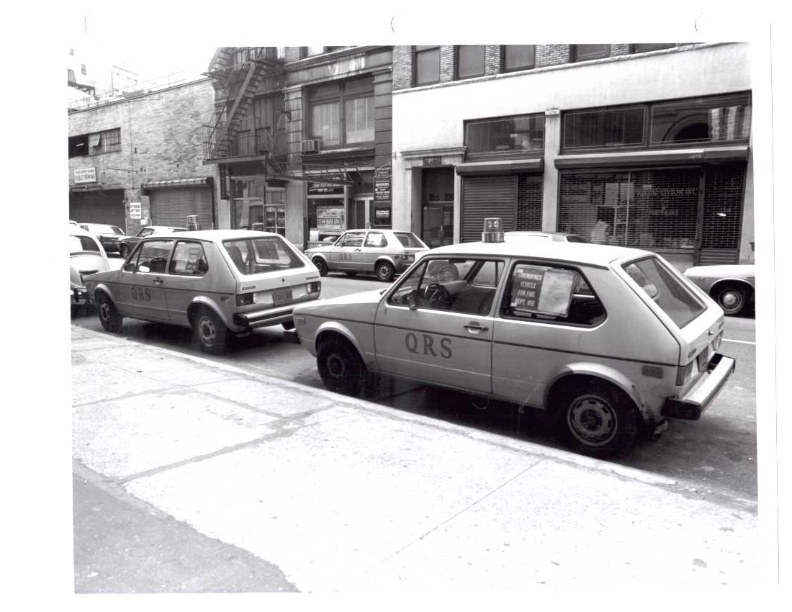
Historic QRS response cars in Manhattan
QRS response cars · From the company archive

QRS has maintained coverage through New York’s blackouts, September 11, Hurricane Sandy and the COVID closures.

Our history is a record of showing up when buildings need us.

Midtown is our neighborhood.

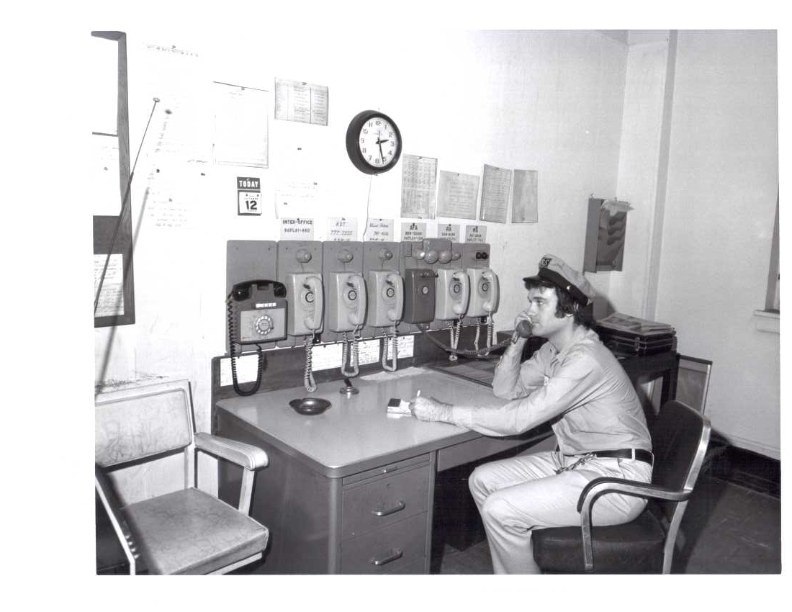
Historic QRS dispatcher at a desk with a wall of telephones
The QRS dispatch desk · From the company archive
A Midtown office.
Our office is on West 29th Street. Our average alarm-to-arrival time is under five minutes.
Responders who know your building.
Our responders learn the buildings they cover and practice the routes before they answer a real call.
SEIU Local 32BJ members.
QRS team members belong to SEIU Local 32BJ. We bring that experience to a specific job: building access and elevator operation for the Fire Department after hours.
80 hours every week.
Night and weekend coverage every week. Major holidays are covered all day.See the coverage hours

A focused service

Your alarm company sends the alert. Your elevator contractor maintains the equipment. QRS is the team that comes to your building, opens it and operates the elevators for the FDNY.

If your building already has QRS.

QRS is the trained person who comes to your building when nobody else is there. This is what the service covers, and what the building would have to replace without it.

The code requires an elevator operator.

In taller buildings, the NYC Building Code requires a person competent to operate the elevators for the Fire Department at all hours. QRS provides that operator on nights, weekends and major holidays, so the building does not have to staff those hours.

A trained operator, not a lobby guard.

Our responders are SEIU Local 32BJ members trained in manual and fire service elevator operation. A guard watches the lobby and stays at the desk. The two jobs are different, and neither replaces the other.

A responder who knows your building.

We keep a profile of your building: keys, the fire alarm panel, the elevator machine room, sprinkler and standpipe valves, electrical rooms, and roof and stair access. Our responder meets the Fire Department at the door and takes them where they need to go.

More than fire alarms.

The same phone number brings the same trained responder for a water leak, a police call that needs the building opened, or a contractor who needs emergency access after hours. When someone is stuck in an elevator, we open the building and bring the Fire Department or your elevator contractor to the car. It is all included in the service.

A written report of every response.

Every response is written up: who responded, when, and what was done. It is the record your owner and your insurer will ask for.

A small line in the budget.

QRS covers those hours for less than $4 an hour. Staffing them yourself costs $50,000+ more per year than QRS even at minimum wage with no benefits.

Let’s talk about your building

Find out what coverage costs
for your building.

Share your building’s address. We’ll come back with coverage and cost.